<p>People often tell me they love art but don't know how to choose it. They worry about getting it wrong — about buying something that won't work in the space, or that they'll stop loving in a year.</p>
<p>My answer is always the same: choose what moves you, not what you think you should have. But there are also a few practical rules that help.</p>
<h2>The living room: make a statement</h2> <p>The living room is where most people spend their time, and where art makes the biggest impact. A large piece above a sofa, fireplace or TV unit anchors the room and gives it a focal point.</p> <p>A few practical rules:</p> <ul> <li>Aim for a piece that's about two-thirds the width of the furniture below it</li> <li>Hang it at eye level — centre of the artwork at around 145–155cm from the floor</li> <li>Warm colours (amber, ochre, terracotta) work well in south-facing rooms; cool blues and greens suit north-facing spaces</li> </ul> <p>Watercolours work particularly well in living rooms because they're soft enough not to dominate, but substantial enough to hold the eye.</p>
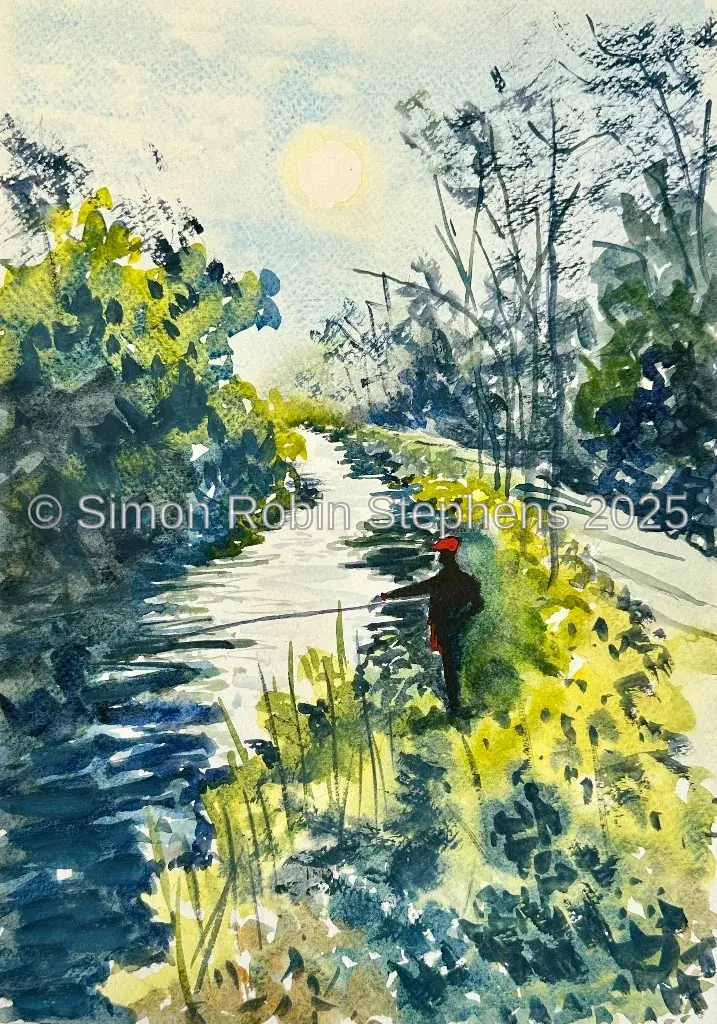
<h2>The bedroom: calm and intimate</h2> <p>Bedrooms benefit from art that feels restful. Avoid anything too busy or high-contrast. Think about:</p> <ul> <li>Soft palettes — pale blues, greens, greys, warm neutrals</li> <li>Subjects that bring calm — landscapes, water, gentle botanicals</li> <li>Scale: above a bed, a wider landscape format often works better than a tall portrait piece</li> </ul> <p>Many of my collectors buy watercolour landscapes for their bedrooms — the soft washes of colour seem to help with winding down.</p>
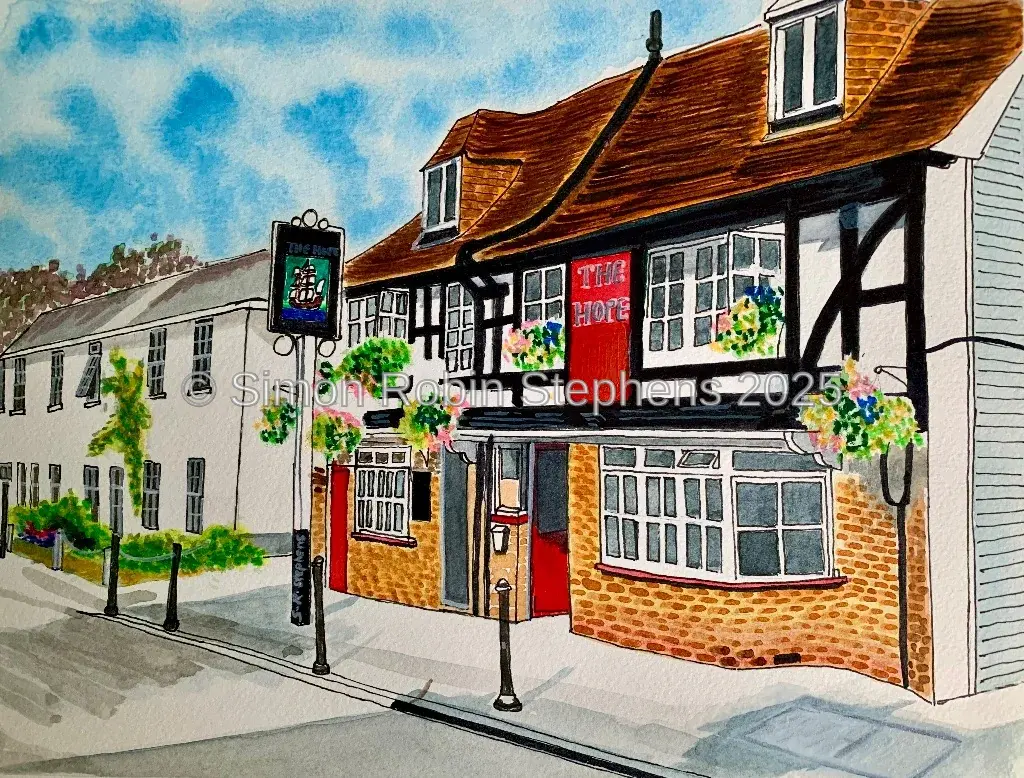
<h2>The hallway: make a strong first impression</h2> <p>Hallways are often overlooked, but they're the first thing guests see. A bold piece — something with strong colour or an interesting subject — works well here.</p> <p>Because hallways are often narrow, vertical-format paintings (portrait orientation) are practical. Something with a clear focal point reads well from a distance.</p>
<h2>The home office or study: something to lose yourself in</h2> <p>The best art for a study is something you can glance up at during a difficult piece of work. A landscape you can mentally step into. Something with depth and space.</p> <p>I hear this from buyers regularly — they hang a landscape or nature scene where they'll see it from their desk, and it gives them somewhere to mentally escape.</p>
<h2>Bathrooms and kitchens: originals or prints?</h2>
<p>Original watercolours in bathrooms and kitchens can be risky — humidity and steam over time can affect both the paper and the mount. If you want art in these rooms, a high-quality print protected with UV glass is a better long-term choice.</p> <p>I offer giclée prints on cotton paper for exactly this purpose.</p>
<h2>How to test before you buy</h2> <p>A quick trick: take a photo of your wall and use your phone's photo editing app to drop in an image of the painting at scale. It's surprisingly useful for checking proportions.</p> <p>I'm also happy to advise — drop me an email with a photo of your space and I can suggest what might work.</p>
<h2>The rule that overrides all others</h2> <p>Buy what you love. Trends change, interior styles evolve, rooms get repainted. Art that genuinely moves you will still look right years from now, even if the sofa underneath it has changed three times.</p> <p>The best pieces in my collectors' homes are the ones they bought because they couldn't walk away from them.</p>